
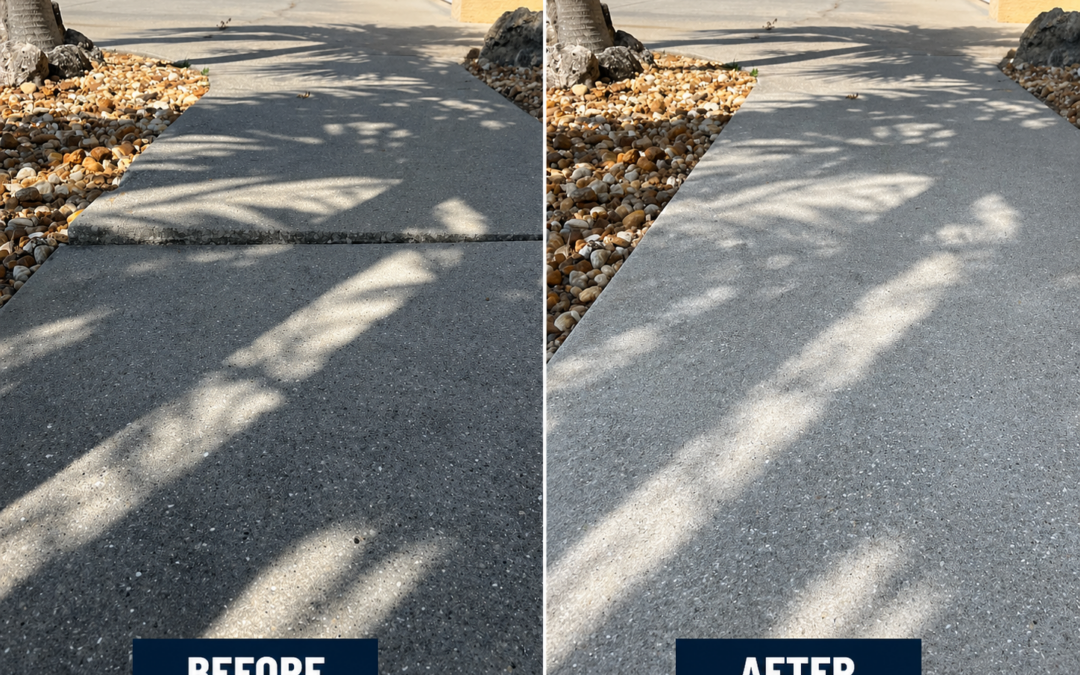
Sunken concrete is a frequent problem for homeowners across Florida—but it’s more than just an eyesore. Uneven driveways, sidewalks, patios, and pool decks can quickly become safety hazards and lead to bigger structural concerns if left untreated.
If you’re noticing sinking or uneven concrete around your property, here’s what you need to know—and what you can do about it.
Why Concrete Sinks in Florida
Florida’s environment plays a major role in concrete settlement. Several factors contribute to the problem:
1. Sandy Soil Conditions
Much of Florida is built on sandy soil, which shifts easily. Over time, this soil can wash away or compact unevenly, leaving voids beneath your concrete.
2. Heavy Rainfall & Water Erosion
Frequent rainstorms and poor drainage can wash out the soil supporting your slab. Once that support is gone, the concrete begins to sink.
3. High Water Tables
Florida’s naturally high water table can weaken the ground beneath concrete, especially in low-lying or coastal areas.
4. Improper Compaction
If the soil wasn’t properly compacted during construction, it can settle over time—leading to uneven slabs.
Signs Your Concrete Needs Attention
Not all concrete issues are obvious at first. Watch for these common warning signs:
- Uneven or sloping surfaces
- Cracks in concrete slabs
- Gaps between slabs or near your home’s foundation
- Water pooling in certain areas
- Trip hazards on walkways or around your pool
Catching these early can help prevent more costly repairs later.
Why You Shouldn’t Ignore It
Sunken concrete doesn’t fix itself—and waiting can make things worse. Here’s why timely repair matters:
- Safety Risks: Uneven surfaces increase the chance of trips and falls
- Water Damage: Poor drainage can direct water toward your home’s foundation
- Structural Concerns: Ongoing settlement can affect surrounding concrete and structures
- Lower Property Value: Visible damage can hurt curb appeal and resale value
Repair Options: What Homeowners Should Know
When it comes to fixing sunken concrete, homeowners typically have three options:
1. Full Replacement
This involves tearing out and replacing the slab. While effective, it’s often:
- Expensive
- Time-consuming
- Disruptive to your property
2. Mudjacking
An older method that uses a heavy slurry to lift concrete. However:
- It adds weight to already unstable soil
- It can break down over time
- It requires larger drill holes
3. Polyurethane Slabjacking (Best Option)
This modern approach uses expanding foam injected beneath the slab to lift and stabilize it.
Key benefits include:
- Fast installation (often completed in hours)
- Lightweight material that won’t stress the soil
- Long-lasting, water-resistant support
- Minimal disruption and small injection holes
Why Slabjacking Works So Well in Florida
Given Florida’s soil and moisture conditions, polyurethane slabjacking is especially effective because it:
- Fills voids completely, stabilizing loose or washed-out soil
- Resists water, making it ideal for rainy and high-moisture environments
- Prevents further erosion, helping protect your concrete long-term
Trust Sealtite Slabjacking in Florida
At Sealtite Slabjacking, we specialize in helping Florida homeowners restore their concrete quickly and efficiently. Our team understands the unique challenges of Florida soil and weather, and we use advanced polyurethane foam solutions to deliver results that last.
Whether it’s your driveway, sidewalk, patio, or pool deck—we’ve got you covered.
Get Your Concrete Back on Level Ground
Don’t let sunken concrete create safety risks or lead to bigger problems down the road.
👉 Contact Sealtite Slabjacking today for a free estimate and discover how we can lift, level, and restore your concrete—quickly and effectively.