
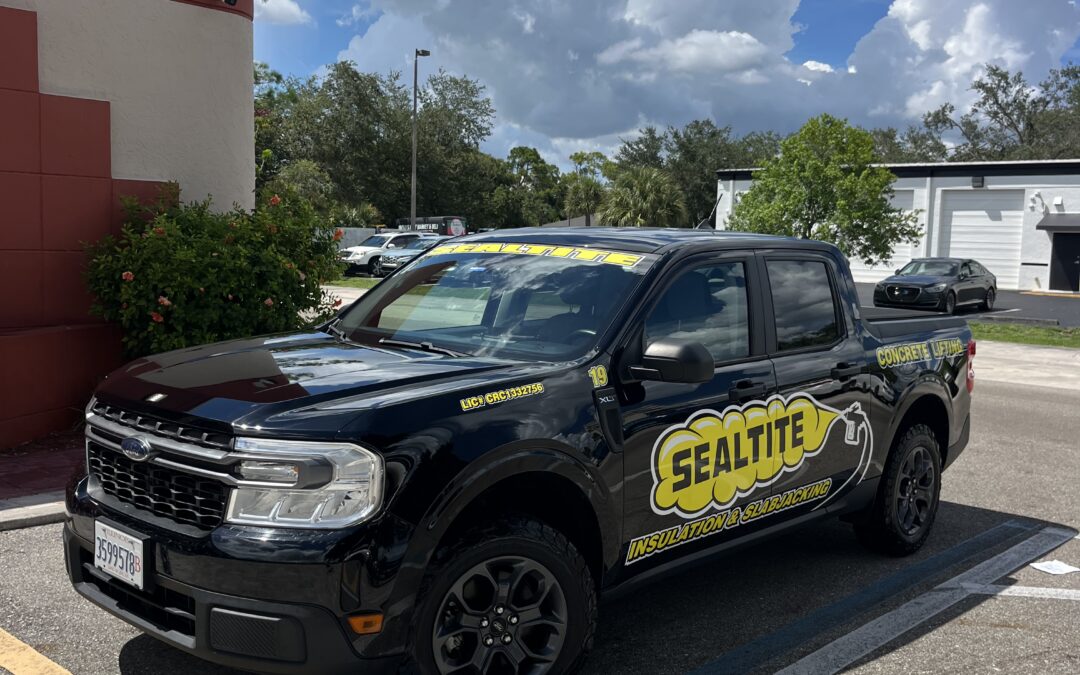
When concrete settles, cracks, or becomes uneven, the right solution depends on understanding why it happened and what is occurring beneath the slab. That is why every successful slabjacking project should begin with a professional evaluation. If you have sinking concrete in Fort Myers, Naples, Cape Coral, or a surrounding Florida community, contact Sealtite Slabjacking to schedule a free estimate.
Looking Beyond the Uneven Surface
Sunken concrete is often a symptom of a larger problem below the surface. Before recommending a repair, our representative examines the overall condition of the concrete and the surrounding property.
During the evaluation, we look for:
- Settlement and elevation changes
- Cracks or other signs of deterioration
- Drainage patterns around the concrete
- Evidence of erosion or soil movement
- Gaps or possible voids beneath the slab
- The condition of nearby concrete
- How the area is being used
The goal is not only to determine how far the concrete has settled but also to identify why the movement occurred.
Can the Concrete Be Lifted, or Does It Need to Be Replaced?
Not every damaged slab needs to be torn out and replaced. In many situations, concrete that is still structurally sound can be lifted and stabilized with polyurethane foam.
To determine whether slabjacking is appropriate, we evaluate the concrete’s:
- Age
- Thickness
- Overall condition
- Cracking
- Structural integrity
- Amount of settlement
If the slab is in good condition but has settled because of voids or inadequate support underneath, slabjacking may provide an effective alternative to replacement. However, concrete that is severely deteriorated, extensively cracked, or structurally compromised may need to be replaced.
A professional evaluation helps prevent homeowners from investing in the wrong type of repair.
Why Measurements Matter
Every property and slabjacking project is different. Accurate measurements help us determine the size of the affected area, the amount of settlement, access requirements, and the materials and equipment that may be needed.
These details also allow us to prepare a more accurate, job-specific estimate. Slabjacking is not priced using a one-size-fits-all formula because the conditions and required repairs vary from one property to another.
Why an In-Person Inspection Is Important
Photographs can provide a helpful first look at a concrete problem, but they cannot always show what is happening beneath or around the slab. An in-person inspection allows our representative to examine the entire area, take measurements, evaluate drainage, and identify conditions that may affect the repair.
For example, a picture may show one corner of a driveway that has settled, but an on-site evaluation could reveal additional elevation changes, soil washout, or drainage concerns nearby. Seeing the property firsthand helps us develop a repair plan based on the complete situation.
What Causes Concrete to Sink in Florida?
Several conditions can cause concrete to settle or become uneven. Common causes include:
- Soil erosion caused by water movement
- Poorly compacted or shifting soil
- Improper drainage
- Soil washout beneath the slab
- Expansive or unstable soil
- Voids beneath the concrete
- Changes in the soil’s moisture level
- Improper preparation of the base before installation
Florida’s heavy rainfall, sandy soil, and changing moisture conditions can be especially challenging for concrete surfaces. Water can move through the soil, wash away supporting material, and create empty spaces beneath a slab. Without adequate support, the concrete may begin to sink, shift, crack, or rock.
Identifying the likely cause is essential. Lifting the concrete without considering the conditions that contributed to its settlement may leave the property vulnerable to additional problems.
How Do We Identify Voids or Unstable Soil?
Determining what is happening beneath a concrete slab involves more than looking at the visible surface. During an evaluation, we examine settlement patterns, elevation changes, cracks, drainage conditions, and other indicators of missing or unstable support.
The concrete’s response during the lifting process can also provide valuable information. As polyurethane foam is injected, its expansion fills empty spaces and helps restore support beneath the slab. The way the slab responds may reveal areas where additional void filling or stabilization is needed.
Developing the Right Repair Plan
Once the evaluation is complete, we can determine whether polyurethane foam lifting is suitable for the property. When slabjacking is the right solution, small holes are drilled into the concrete and expanding polyurethane foam is carefully injected beneath the slab.
The foam helps:
- Fill empty spaces beneath the concrete
- Stabilize areas with inadequate support
- Lift the slab closer to its intended position
- Reduce uneven transitions and trip hazards
- Restore the usability and appearance of the surface
Because each project is different, the placement and amount of material must be carefully planned. A professional evaluation gives our team the information needed to approach the repair properly.
The Goal Is More Than Lifting Concrete
A successful slabjacking project begins before any holes are drilled, material is injected, or concrete is lifted. A thorough evaluation allows us to understand the condition of the slab, identify possible causes of settlement, determine whether lifting is appropriate, and develop a repair plan based on the property’s specific needs.
The goal is not simply to raise the concrete—it is to create a safer, more level, and properly supported surface.
Schedule Your Free Professional Evaluation
If you have a sunken driveway, uneven sidewalk, settling pool deck, or another concrete problem, let Sealtite Slabjacking evaluate the area before the damage progresses. We provide free estimates, and our slabjacking work is backed by a lifetime warranty.
Contact Sealtite Slabjacking today to schedule a professional evaluation in Fort Myers, Naples, Cape Coral, or a surrounding Southwest Florida community.